
Property analytics that make sustainability measurable for Danish realtors.
An interactive real-time property analytics platform for a progressive Copenhagen realtor — combining React, Node.js, MySQL, Redis, and Danish government APIs (DAWA and EMOWeb) to deliver building data, energy labels, CO₂ insights, and automated change notifications.
Realtors were stuck with outdated reports and no change alerts.
Danish realtors and investors had no single place for live building data, energy performance, and CO₂ insights — and no way to know when property or energy-label data changed.
Outdated property reports
Static reports drove inaccurate analysis and poor investment decisions.
No change notifications
Property data and energy-label updates went unnoticed until clients asked.
Slow government APIs at scale
Large building-data volumes made live queries too slow for practical use.
Issues without solutions
Problems were flagged to clients with no recommended corrective actions.
Client
Progressive realtor · Copenhagen
Industry
Real estate · property analytics
Integrations
DAWA · EMOWeb · Slack · Mandrill
Engagement
Nominated Sustainability Prize
What we learned before we designed anything
Findings from Danish realtors, buyers, and investors — the basis for every live-data, queue, and sustainability decision that followed.
Realtors needed live data, not static reports
Up-to-date government building data was essential to engage buyers with confidence.
Investors wanted errors and opportunities, not just numbers
Portfolio analysis had to surface improvement opportunities, not raw dumps.
Change alerts were non-negotiable
Users expected notification when energy labels, building data, or compliance status changed.
Problems without solutions frustrated users
Actionable recommendations mattered as much as detection.
Performance was as critical as accuracy
A slow platform with correct data was as unusable as a fast one with wrong data.
Static reports still dominate
Danish real-estate tools relied on outdated exports with no live government API integration.
Energy and CO₂ data stayed siloed
No platform combined energy labels and CO₂ insights with property search and analytics.
No automated change detection
Competitors offered neither continuous monitoring nor proactive realtor notifications.
Simon
Real Estate Professional · Copenhagen
Goals
- • Engage buyers with accurate real-time data
- • Identify energy improvement opportunities
- • Stay ahead of property changes automatically
Pain Points
- • Outdated reports
- • No change alerts
- • Slow data retrieval
- • No actionable energy insights
Live government data, queue-backed processing, actionable insights.
DAWA and EMOWeb feed a React and Node platform where Redis queues keep responses fast while heavy analytics, change detection, and notifications run in the background.
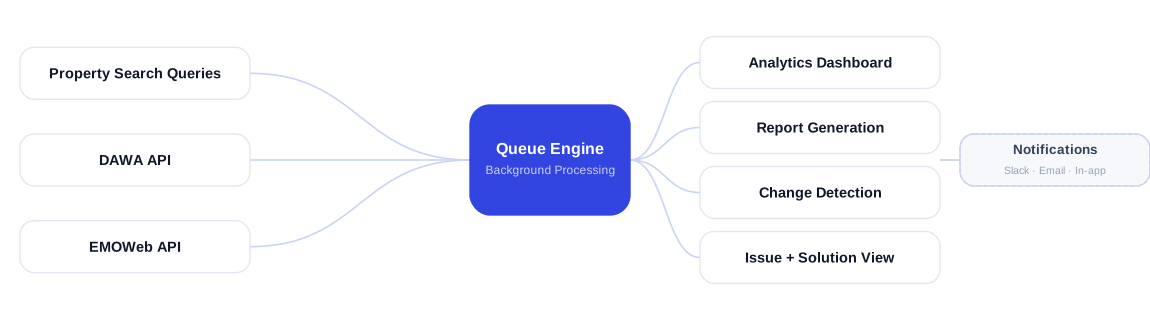
One connected platform, built module by module.
Every module sits on live Danish government data so search, energy analytics, change detection, and notifications share one accurate source of truth.
Outdated property reports caused inaccurate analysis and poor buyer decisions.
Government APIs as the sole data layer
- ✓DAWA and EMOWeb integrated as trusted Danish government sources for live building data
- ✓Data fetched on every query so realtors always present current, accurate information
APIs handling large building-data volumes were too slow for practical use.
Instant acknowledgement, heavy work in the background
- ✓Redis-backed queues return instantly while report logic runs asynchronously
- ✓Slack and Mandrill notify users when reports are ready — no waiting on a loading screen
Realtors were not informed when property data or energy labels changed.
Automated monitoring that alerts realtors first
- ✓Background engine continuously monitors live government data for updates
- ✓Realtors are notified automatically so they can communicate changes to buyers immediately
Issues were surfaced to clients with no solutions — unhelpful and incomplete.
Every issue paired with a recommended action
- ✓Energy label analytics and CO₂ reduction proposals ready for client conversations
- ✓Portfolio error detection so investors spot inaccuracies and improvement opportunities at scale
Built for live Danish property data at volume.
Every layer chosen to keep government API data accurate, cached, and fast — without blocking the realtor-facing UI.
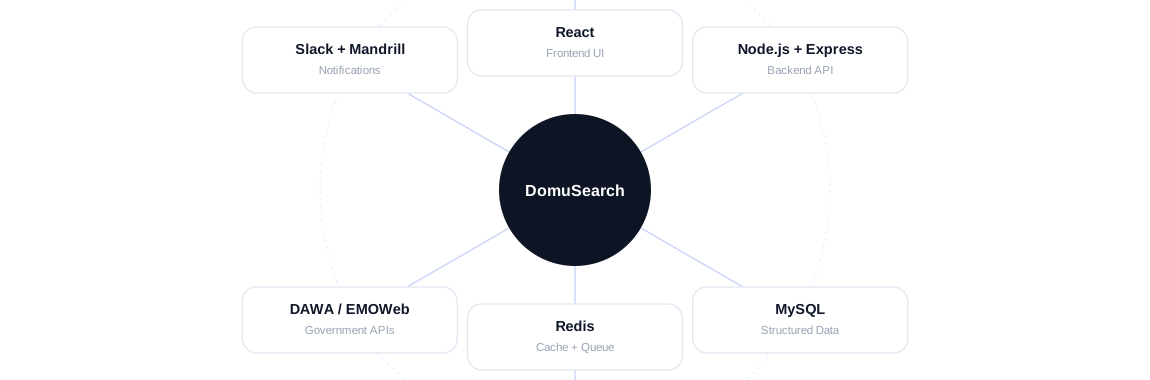
Discovery first, then APIs, queues, and actionable insights.
Speed for the user and accuracy from the source were treated as equal priorities from day one — not afterthoughts.
Discovery
Mapped the full property-query lifecycle — from search to report delivery to change notification — with realtor and investor needs front and centre.
API strategy
Evaluated and integrated DAWA and EMOWeb as the sole authoritative data layer, eliminating outdated report dependency.
Queue architecture
Designed Redis-backed background processing so users get instant acknowledgement while heavy data logic runs behind the scenes.
Solution-first delivery
Shipped issue detection paired with recommended actions, plus energy label and CO₂ reporting realtors could use in client meetings.
Secure launch
Rolled out OAuth and token-based API security with Slack, Mandrill, S3, and Rollbar for communications, storage, and monitoring.
What realtors see when they need answers

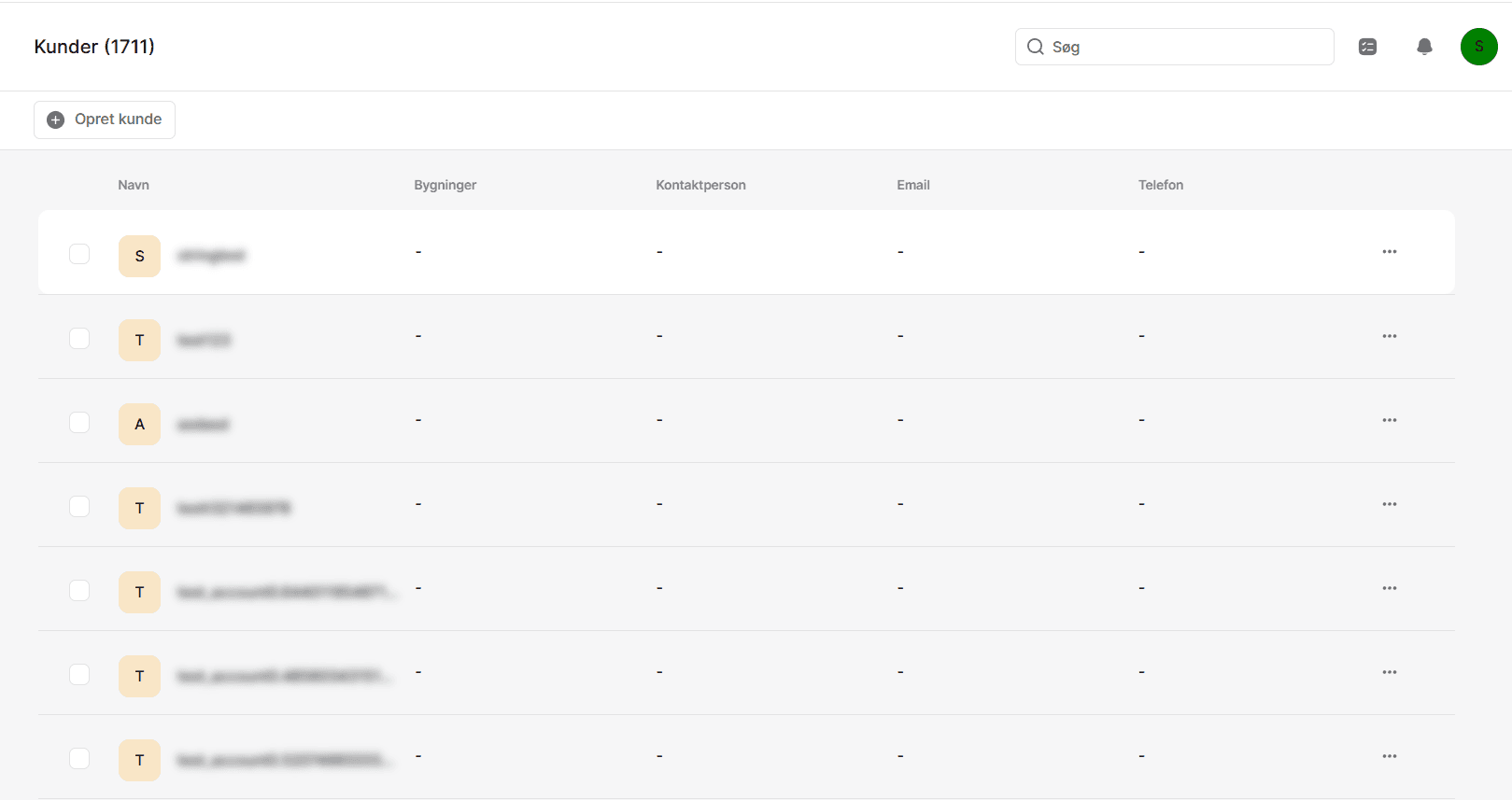

What changed after launch
High-quality building data for investment decisions - Accurate analysis across property portfolios replaced outdated static reports.
Data-driven energy efficiency proposals - Realtors used platform insights directly in strategic investment and sustainability conversations.
Measurable sustainability overview - Energy labels and CO₂ reduction potential became clear and actionable for the first time.
Portfolio-scale error and opportunity detection - Investors could analyse portfolios, detect inaccuracies, and identify improvements at scale.
Nominated for This Year's Sustainability Prize - Recognised by the Danish Real Estate Industry Association for contribution to sustainable development.
Live platform with continuous government data sync - Change detection and notifications keep realtors ahead of property and energy-label updates.
Challenges & Learnings
Data accuracy at speed
Government APIs are authoritative but not built for high-frequency queries — the queue system solved both.
Volume without friction
Large building-data volumes required a hard split between what users see and what runs in the background.
Actionable insights, not just data
Pairing every flagged issue with a recommended action significantly improved adoption.
Change detection reliability
Careful diffing avoided false positives and unnecessary notifications from live government feeds.
Sustainability as a product feature
Framing CO₂ and energy data as investor tools — not compliance outputs — drove the prize nomination.
Where the platform goes from here
DomuSearch has been nominated for this award. It's great that your work is making such a meaningful impact on the Danish real estate industry.
“DomuSearch was nominated for This Year's Sustainability Prize by the Danish Real Estate Industry Association, recognising the platform's contribution to sustainable development and visibility into energy-labelled property data across the Danish real estate sector.”