
Connecting shippers and forwarders with real-time multi-modal quotes.
A Digital Freight Marketplace that connects shippers with freight forwarders through real-time quote comparison across sea, air, truck, and rail — with Vue.js, PHP, Node.js, Spring Boot, AWS, Stripe, and PayPal powering $5M+ in online freight revenue over a 12+ year partnership.
Freight booking still ran on phone, email, and opaque rates.
Shippers had no real-time rate visibility. Forwarders juggled up to 23 rate structures with no central tooling — and manual invoicing blocked international growth.
Slow, opaque quoting
Shippers waited on phone and email with no side-by-side carrier comparison.
23+ rate structures
Forwarders managed ocean, air, truck, rail, haulage, and surcharges without centralised tools.
Manual invoicing & tracking
Fragmented tracking and hand-built invoices caused delays and errors.
No multilingual / multi-currency path
International expansion into Europe, China, and Singapore was blocked by localisation gaps.
Client
B2B freight marketplace (12+ yrs)
Industry
Logistics & transportation
Integrations
Stripe · PayPal · Carrier APIs
Engagement
Live since 2014 · ongoing
What we learned before we designed anything
Findings from shippers, forwarders, and freight operations — the basis for every portal, pricing, and payment decision that followed.
Shippers want instant comparison
Side-by-side quotes without email or phone back-and-forth was the primary conversion driver.
Forwarders need flexible rate tooling
Large multi-mode rate tables had to be manageable without specialist spreadsheets.
Fees must be transparent
Both sides needed clear surcharges, schedules, and markup before booking.
Automation closes the loop
Tracking and invoicing pain points caused as many delays as the quote process itself.
Localisation is foundational
Multilingual and multi-currency support had to ship from day one — not as a retrofit.
Opaque freight platforms
Most tools offered no real-time rate comparison across transport modes.
Single-mode silos
Few solutions handled sea, air, truck, and rail in one interface.
Fragmented forwarder tooling
Rate management, analytics, and order handling lived in disconnected systems.
Lars Hansen
Operations Manager · Shipper
Goals
- • Instant comparable freight quotes
- • Book shipments entirely online
- • Track multiple active shipments
Pain Points
- • Slow opaque quote process
- • No carrier comparison
- • Manual invoice reconciliation
Three portals, one marketplace core.
Customer, Forwarder, and Admin portals share microservices for search, rates, markup, payments, and tracking — with role-based access from the ground up.
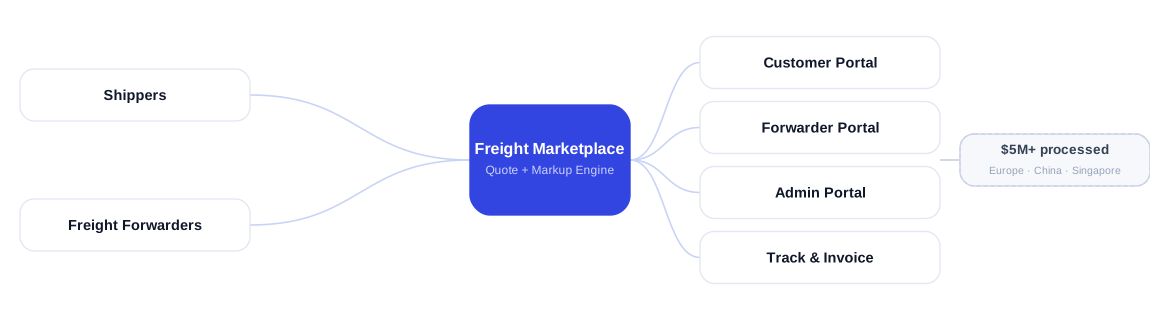
One marketplace: quote, book, invoice, expand.
Every module sits on the same pricing and booking core so shippers, forwarders, and admins work from one source of operational truth.
Shippers had no way to compare real-time freight quotes across transport modes.
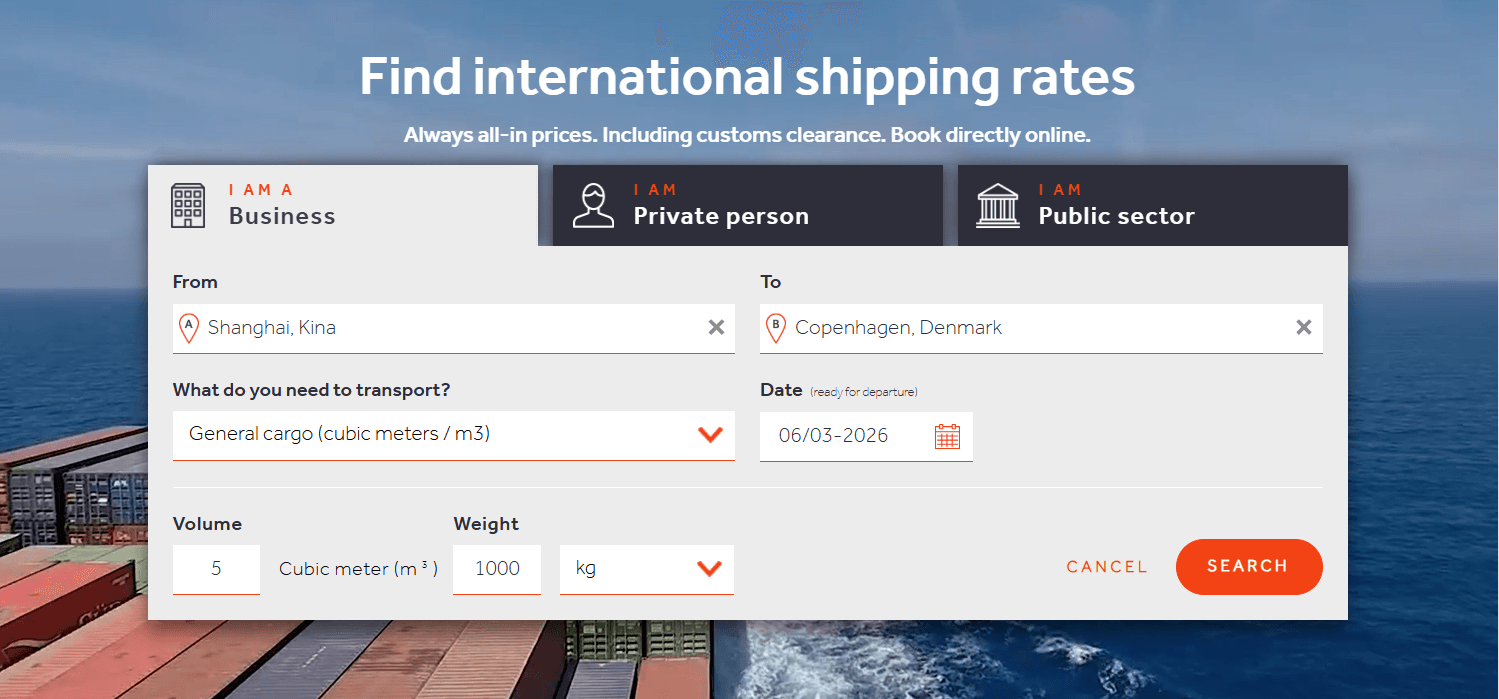
Multi-modal quotes in one search
- ✓Instant search across sea, air, truck, and rail with live schedules and transparent pricing
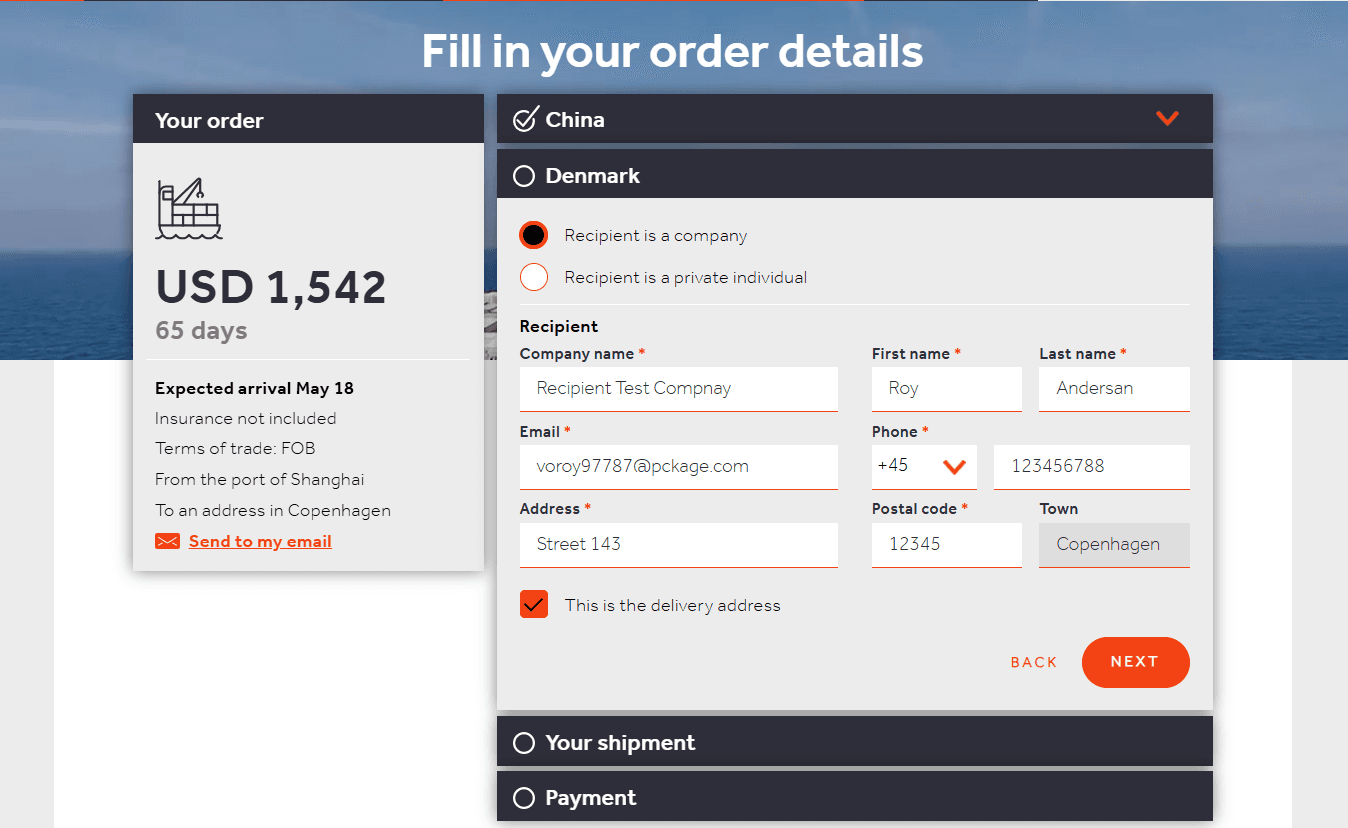
- ✓100% online booking with Stripe and PayPal — scheduling, invoicing, and payment digital end to end
Forwarders managed up to 23 complex rate structures with no centralised tool.
Rate tables that finally scale
- ✓Flexible model for zone-based haulage, city/postal pricing, and service-specific surcharges
- ✓Dynamic markup engine applies the platform fee in real time on every quote
Manual invoicing and order tracking created operational bottlenecks.
Booking to invoice without handoffs
- ✓Fully automated invoicing from booking confirmation with zero manual input
- ✓Track-and-trace plus consolidated order, payment, and user management
International expansion was blocked by missing multilingual and multi-currency support.
Localised portals that launch cleanly
- ✓Multilingual UI architecture with multi-currency conversion built in from day one
- ✓Portals successfully deployed for Europe, China, and Singapore
Built for high-load, multi-market freight.
Vue, PHP, Node, Spring Boot, and AWS chosen to keep thousands of rate rules searchable while payments and localisation stay production-ready.
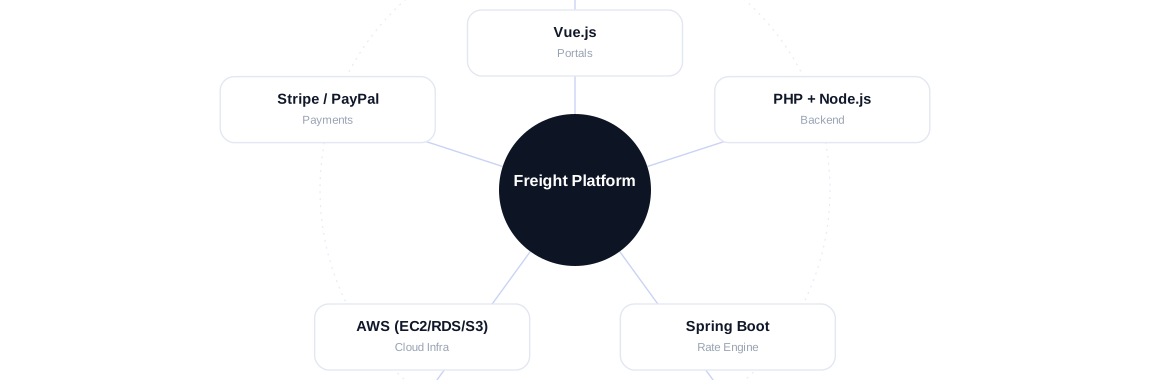
Domain depth first, then portals and scale.
Freight logistics and rate-structure discovery came before architecture — then weekly sprints kept a 12+ year partnership aligned.
Discovery
Mapped the full shipment lifecycle — quote to booking to invoice — for both shippers and forwarders.
Three-portal architecture
Designed Customer, Forwarder, and Admin portals with microservices, clean API contracts, and RBAC.
Pricing & payments
Built the flexible rate engine and integrated Stripe, PayPal, carrier APIs, customs, and currency conversion.
Iterative delivery
Weekly sprints with a dedicated project manager kept specs, design, and delivery tightly aligned.
Global launch & scale
Localised portals for Europe, China, and Singapore on AWS with auto-scaling under peak load.
What shippers and forwarders see every day
What changed after launch
$5M+ freight revenue processed - All bookings done online — manual quotes eliminated entirely.
100% online sales - Automated invoicing and tracking complete orders from quote to invoice with no manual steps.
Transparent comparative quotes - Shipper satisfaction and win rates rose; forwarders gained automated channel management and analytics.
Europe, China, Singapore live - Localised portals launched with minimal additional overhead.
Perfect 5.0/5.0 client rating - Quality, schedule, and cost scores maintained across 12+ years of partnership.
Ongoing platform evolution - The same core team continues iterative development as markets and rate rules expand.
Challenges & Learnings
Pricing engine complexity
23+ rate types required deep domain research before any generic patterns applied.
Multi-portal sync
Strict API contracts and role-based auth kept three portals consistent.
Search performance
Thousands of rate tables demanded aggressive indexing and query optimisation.
Third-party integrations
Carrier and customs APIs needed careful error handling and ongoing security compliance.
Long-term codebase health
Retaining the same core team over 12+ years preserved institutional knowledge.
Where the platform goes from here
We have developed a close relationship with WhizCloud during the development of our website, and they come with our warmest recommendation.
“WhizCloud have managed to develop their understanding of our industry (logistics and transportation) and applied that to the system development of our website. They have successfully implemented key functionality linking the site to external sources, and built comprehensive algorithms and analytics into the site. Working with WhizCloud has made the offshore model as effective as we could ever think it could be with local development.”